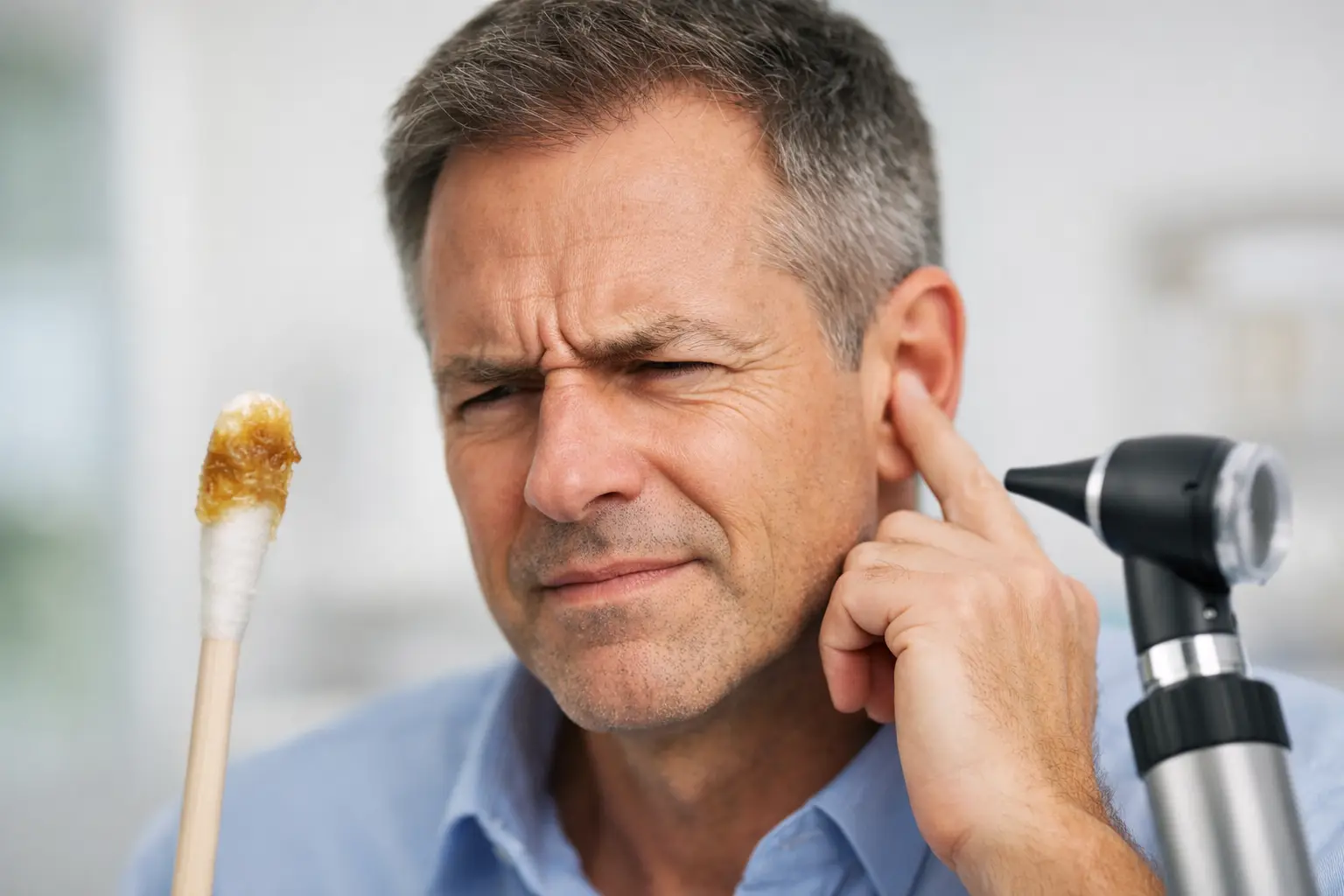
A familiar voice suddenly sounds muffled. The television volume creeps up. One ear feels plugged after a shower, a workout, or a day of wearing earbuds. In moments like these, it is natural to ask: can earwax cause hearing problems? Yes, when wax builds up enough to block the ear canal, it can make hearing seem quieter, duller, or distorted.
The reassuring news is that earwax-related hearing changes are often temporary and treatable. Still, not every hearing concern is caused by wax. Knowing the difference can help you avoid an uncomfortable DIY mistake and get the right support for hearing more and living more.
Can Earwax Cause Hearing Problems?
Earwax, also called cerumen, is not a sign of poor hygiene. Your ears make it for a reason. It helps trap dust and debris, protects the delicate skin of the ear canal, and can help keep the area from becoming too dry.
Usually, earwax slowly moves outward on its own, where it dries and falls away or can be gently wiped from the outer ear. Problems can arise when that natural process is interrupted. Wax may become packed into the canal, creating a blockage known as cerumen impaction.
Because sound needs to travel through the ear canal to reach the eardrum, a blockage can reduce the sound getting through. This is called conductive hearing loss. It may feel as though someone has placed a hand over your ear, and it often affects one ear more than the other.
A wax blockage can cause more than muffled sound. Some people notice a feeling of fullness, ringing in the ear, mild discomfort, itching, or even a cough. Hearing aids, earbuds, earplugs, and certain ear shapes can make buildup more likely because they may interfere with wax moving out naturally.
Signs Your Hearing Changes May Be From Wax
Earwax buildup often develops gradually, although it can become noticeable quickly if water gets trapped behind or around the wax. You might suspect wax if your hearing feels blocked in one ear, if your own voice sounds unusually loud or hollow, or if the concern began after trying to clean inside your ear.
Hearing aid wearers may notice that a device seems less effective than usual or produces feedback. In some cases, the hearing aid is working properly, but wax is stopping sound from traveling clearly through the canal. Routine cleanings and professional ear checks can be especially helpful for people who wear hearing devices regularly.
There is a catch: symptoms alone cannot confirm the cause. Age-related hearing loss, noise-related hearing changes, middle-ear fluid, infection, and other conditions can also make conversations harder to follow. A person can have both earwax buildup and an underlying hearing loss at the same time. Removing wax may improve sound, but it may not restore hearing completely.
That is why a professional look inside the ear is more useful than guessing. It is a simple step that can bring clarity, particularly when hearing difficulties are affecting phone calls, family dinners, church, work, or time with grandchildren.
Why Cleaning Too Much Can Make Things Worse
The instinct to reach for a cotton swab is understandable, but swabs are designed for the outer ear only. When inserted into the canal, they commonly push wax farther in rather than removing it. That can compact the wax against the eardrum and increase the feeling of blockage.
Avoid putting hairpins, keys, tissues, or other objects in the ear as well. These methods can scratch the ear canal, cause bleeding, or damage the eardrum. Ear candles are not a safe answer either. They do not reliably remove wax and can cause burns or leave candle wax behind.
For many people, the best daily ear-care routine is surprisingly simple: leave the ear canal alone. After bathing, use a washcloth to clean only the outside of the ear. If you produce more wax than usual, have had past blockages, or use hearing aids, ask a hearing care or medical professional what routine makes sense for you.
When At-Home Wax Care May Be Reasonable
Over-the-counter wax-softening drops can help some adults with a mild, familiar feeling of wax buildup. These products may contain mineral oil, saline, hydrogen peroxide, or carbamide peroxide. They work by softening wax so it can move out more easily.
At-home care is not right for everyone. Do not use drops or attempt to flush your ear if you have ear pain, drainage, bleeding, a known or suspected hole in the eardrum, ear tubes, a history of ear surgery, or an active ear infection. People with diabetes or a weakened immune system should also seek professional guidance before trying ear irrigation.
Even when drops are appropriate, follow the package directions and stop if they cause pain, dizziness, or worsening symptoms. More is not necessarily better. If the ear remains blocked after a reasonable attempt, professional removal is safer than repeated flushing or digging.
When to Schedule a Hearing or Ear Check
A prompt evaluation is a wise choice whenever hearing changes persist, return often, or interfere with your life. A professional can check whether wax is present and remove it using methods suited to your ear, such as gentle irrigation, suction, or specialized tools. They can also help determine whether a hearing test would be useful after the wax is cleared.
Seek urgent medical attention for sudden hearing loss, especially if it occurs in one ear over hours or a few days. Sudden hearing loss is not something to wait out or assume is wax. Get prompt care as well for severe ear pain, drainage, bleeding, fever, significant dizziness, facial weakness, or ringing that begins suddenly with hearing loss.
If you are supporting a parent, spouse, or friend, listen for the everyday clues. They may say people are mumbling, withdraw from conversations, or turn up the TV without realizing it. A caring conversation can begin with curiosity rather than correction: “I’ve noticed listening seems more tiring lately. Would you be open to having your ears checked?”
Hearing Better Starts With the Right Answer
Wax removal can be a quick relief when buildup is the real issue. But if sounds are still unclear afterward, that information is valuable too. It may point to hearing changes that deserve attention, not embarrassment.
A hearing check is not a commitment to a particular solution. It is a practical way to understand what is happening, ask questions, and make choices that support your independence and connection. Whether the answer is simple wax care, a medical follow-up, or a fuller hearing evaluation, taking that first step can make everyday moments easier to enjoy again.